
Introduction
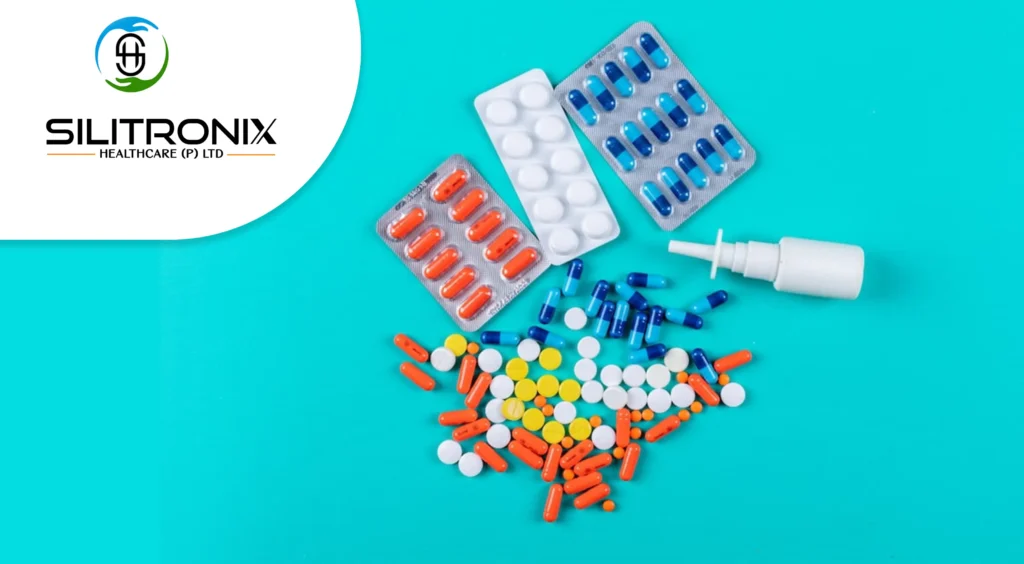
Proper storage of medication is critical to maintaining its effectiveness and safety. Incorrect storage can lead to reduced potency, chemical degradation, or even harmful side effects. Whether you’re managing prescription drugs, over-the-counter medications, or supplements, understanding how to store them correctly ensures they remain safe and effective for use. This guide explores eight key points to help you store your medicines properly, covering factors like temperature, humidity, light exposure, and safety considerations.
Table of Contents
Understand Medication Storage Instructions
Store at the Right Temperature
Control Humidity Levels
Protect from Light Exposure
Keep Medicines in Original Containers
Store Away from Children and Pets
Avoid Common Storage Mistakes
Check Expiration Dates Regularly
Understand Medication Storage Instructions
Always read and follow the storage instructions provided with your medication. These instructions are typically found on the packaging, label, or patient information leaflet. Some medications require specific conditions, such as refrigeration or protection from light, while others can be stored at room temperature. If you’re unsure, consult your pharmacist or healthcare provider for clarification. Ignoring these instructions can compromise the medication’s stability and effectiveness.
Store at the Right Temperature
Temperature plays a significant role in maintaining a medication’s efficacy. Most medicines should be stored at room temperature (between 68°F and 77°F or 20°C to 25°C), but some require refrigeration (36°F to 46°F or 2°C to 8°C). For example:
Room-temperature medications: Tablets and capsules like ibuprofen or antihistamines are often stable at room temperature.
Refrigerated medications: Insulin, certain antibiotics, or eye drops may need to be kept in the fridge. Avoid extreme temperatures, such as freezing or excessive heat (above 86°F or 30°C), as they can degrade active ingredients. Never store medications near heat sources like stoves, radiators, or in cars during hot weather.
Control Humidity Levels
High humidity can cause medications to break down, especially tablets and capsules, which may absorb moisture and lose potency. Store medicines in a dry environment, ideally with humidity levels below 60%. Bathrooms, despite being a common storage spot, are often too humid due to showers and baths. Instead, choose a dry, cool place like a bedroom drawer or a kitchen cabinet away from the sink. For added protection, consider using silica gel packets or desiccants for particularly sensitive medications.
Protect from Light Exposure
Some medications are photosensitive, meaning exposure to light can cause chemical changes that reduce their effectiveness or make them unsafe. These medications are often packaged in amber or opaque containers to block light. Keep them in their original packaging and avoid exposing them to direct sunlight or bright indoor lighting. For example, store light-sensitive drugs like tetracycline or certain chemotherapy drugs in a dark, enclosed space such as a cabinet or drawer.
Keep Medicines in Original Containers
Original containers are designed to protect medications from environmental factors like light, air, and moisture. They also include important information, such as the drug name, dosage instructions, and expiration date. Avoid transferring medications to unmarked containers, pill organizers, or plastic bags unless advised by a pharmacist, as this can lead to confusion or improper storage. If you use a pill organizer for convenience, ensure it’s stored in a cool, dry, and dark place.
Store Away from Children and Pets
Safety is a top priority when storing medications. Keep all medicines out of reach of children and pets to prevent accidental ingestion, which can be dangerous or even fatal. Use high shelves, locked cabinets, or childproof storage boxes. For households with young children, consider investing in a medication lockbox. Additionally, avoid leaving medications in easily accessible places like countertops, purses, or low drawers.
Avoid Common Storage Mistakes
Certain storage habits can inadvertently harm your medications. Here are some mistakes to avoid:
Bathroom medicine cabinets: As mentioned, the humidity in bathrooms can degrade medications.
Car glove compartments: Temperature fluctuations in vehicles can render medications ineffective.
Freezing medications: Unless specified, freezing can alter a drug’s composition.
Mixing medications: Storing multiple medications together without proper separation can lead to cross-contamination or confusion. By being mindful of these pitfalls, you can ensure your medications remain safe and effective.
Check Expiration Dates Regularly
Expired medications may lose potency or become unsafe. Regularly check the expiration dates on your medicines and dispose of any that are outdated. Do not flush medications down the toilet or throw them in the trash, as this can harm the environment or pose a risk to others. Instead, take them to a pharmacy or a designated medication disposal site. Some medications may have a “beyond-use” date, especially compounded drugs, which should also be followed.
Conclusion
Proper medication storage is essential for ensuring safety and effectiveness. By understanding storage instructions, maintaining appropriate temperature and humidity, protecting from light, using original containers, keeping medicines secure, avoiding common mistakes, and checking expiration dates, you can safeguard your health and the health of those around you. Always consult your pharmacist or healthcare provider if you have questions about specific medications. With these eight simple steps, you can confidently manage your medication storage and maintain their quality for optimal use.
